scale, from the store floor to your room
will this actually fit?
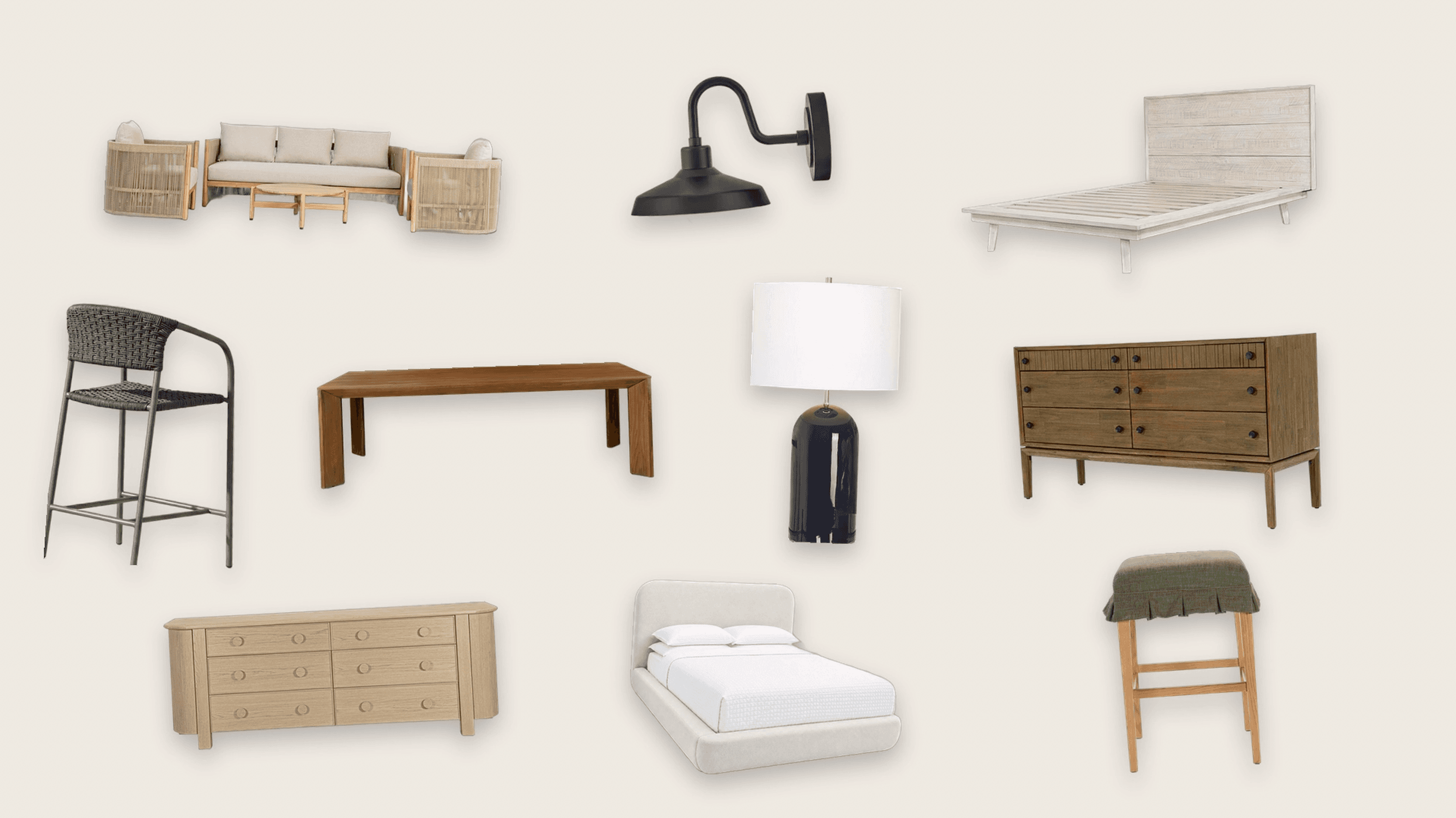
a chair can look perfect in a photo and still block your door. scale starts with a real object: something in a store, a secondhand listing, or furniture you already own. scan it, find similar products, and check them against your room before buying.
i worked on the quest runtime, physics, and layout solver, with the designer agent connecting those pieces, and on the expo app that captures rooms and objects on the phone. the interesting part was getting the scan, the math, and the room you stand in to agree.
start with the room you have
the iphone app uses roomplan to capture the room in metres. a custom lidar path measures individual objects, while object capture makes textured models of things you already own. the phone converts those scans from usdz to glb before uploading them.
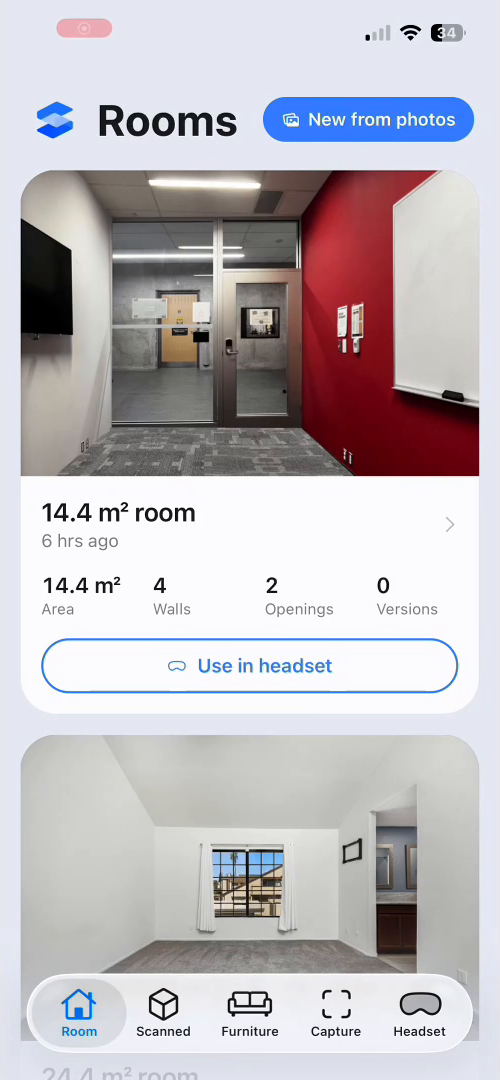
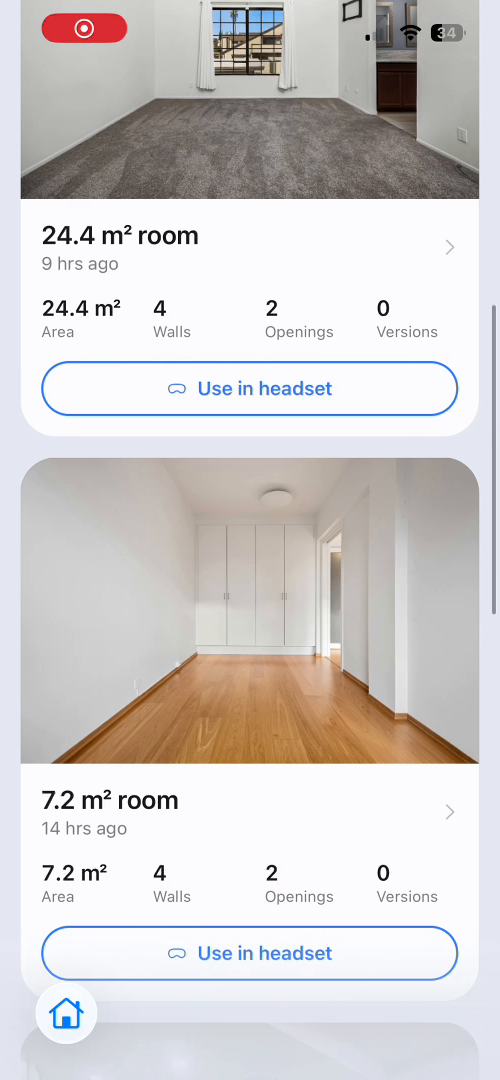
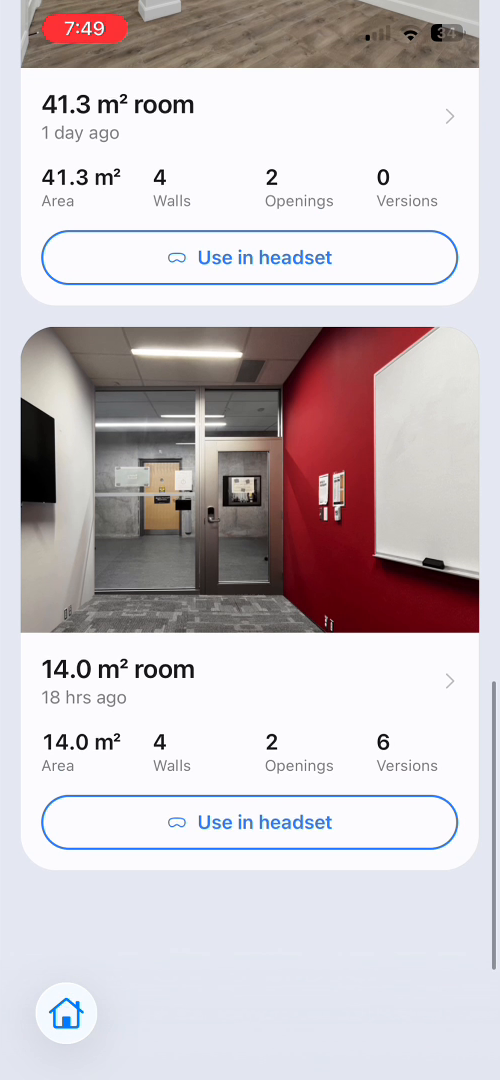
the app keeps those three paths separate on its capture tab: photograph the walls, walk around an object, or tap once to measure something. every room you capture lands in a library with its area, wall count, and openings, ready to push to the headset.
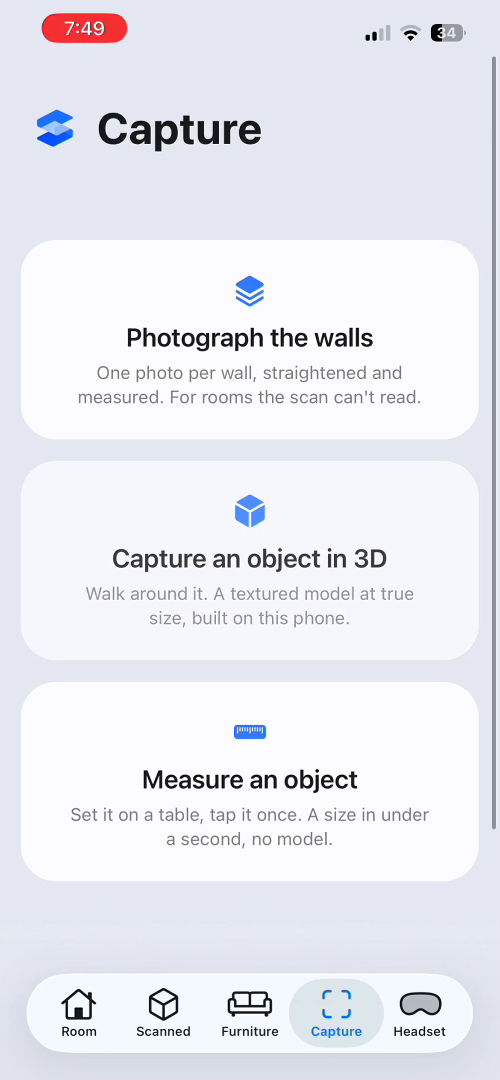
the same flow works for a chair, a small safe, or even a teammate. each object carries its dimensions and identity into the headset.
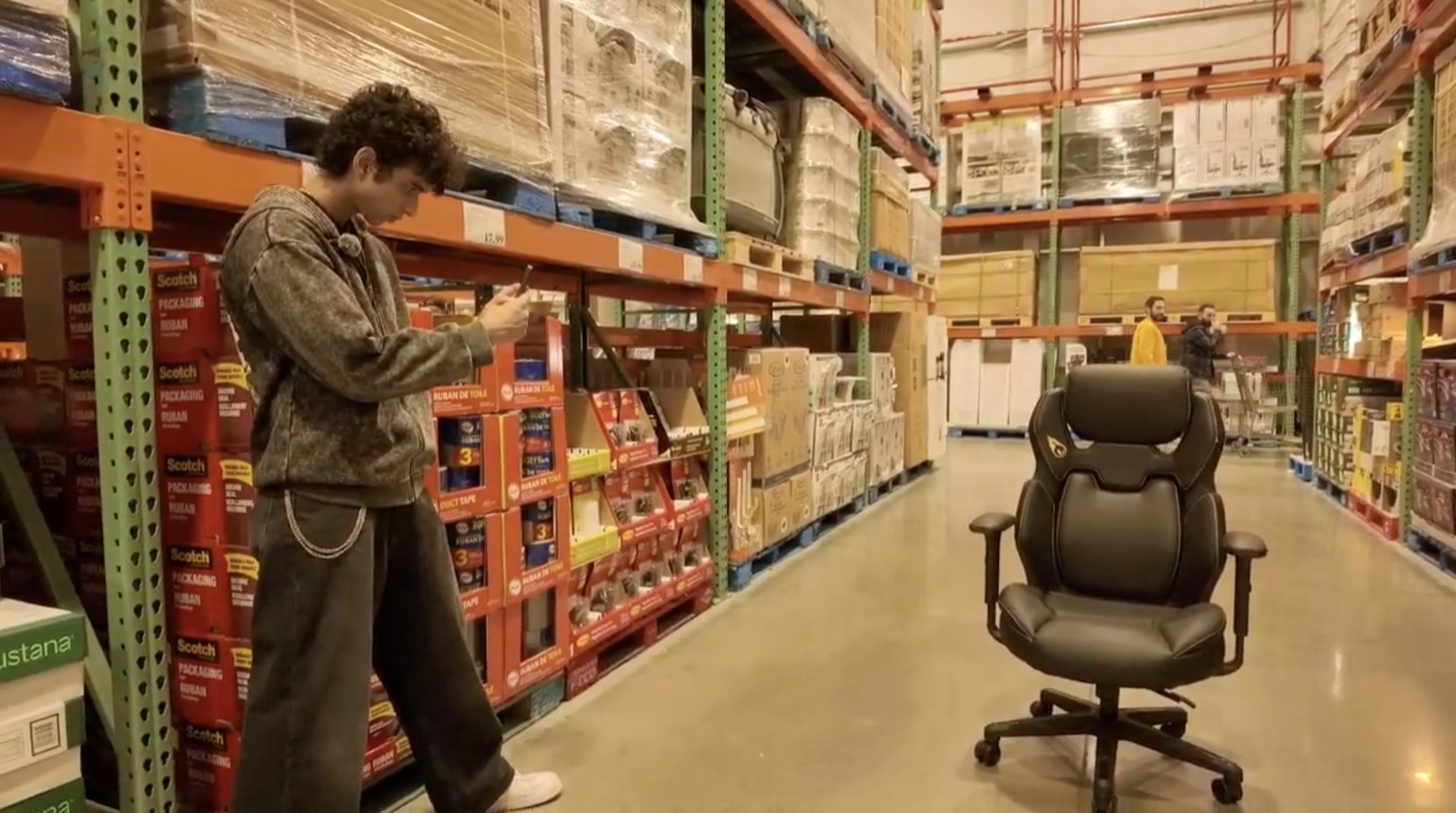
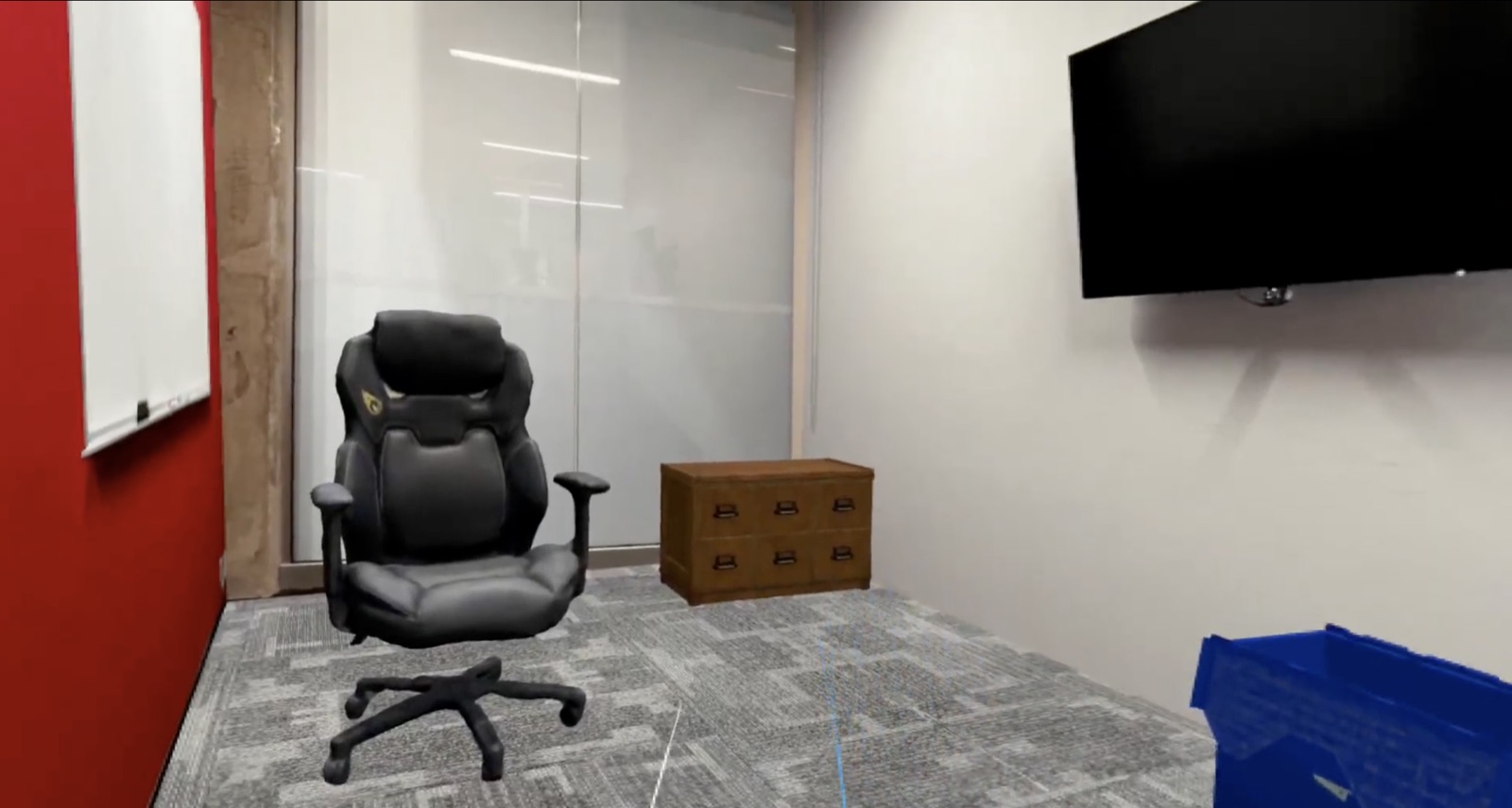
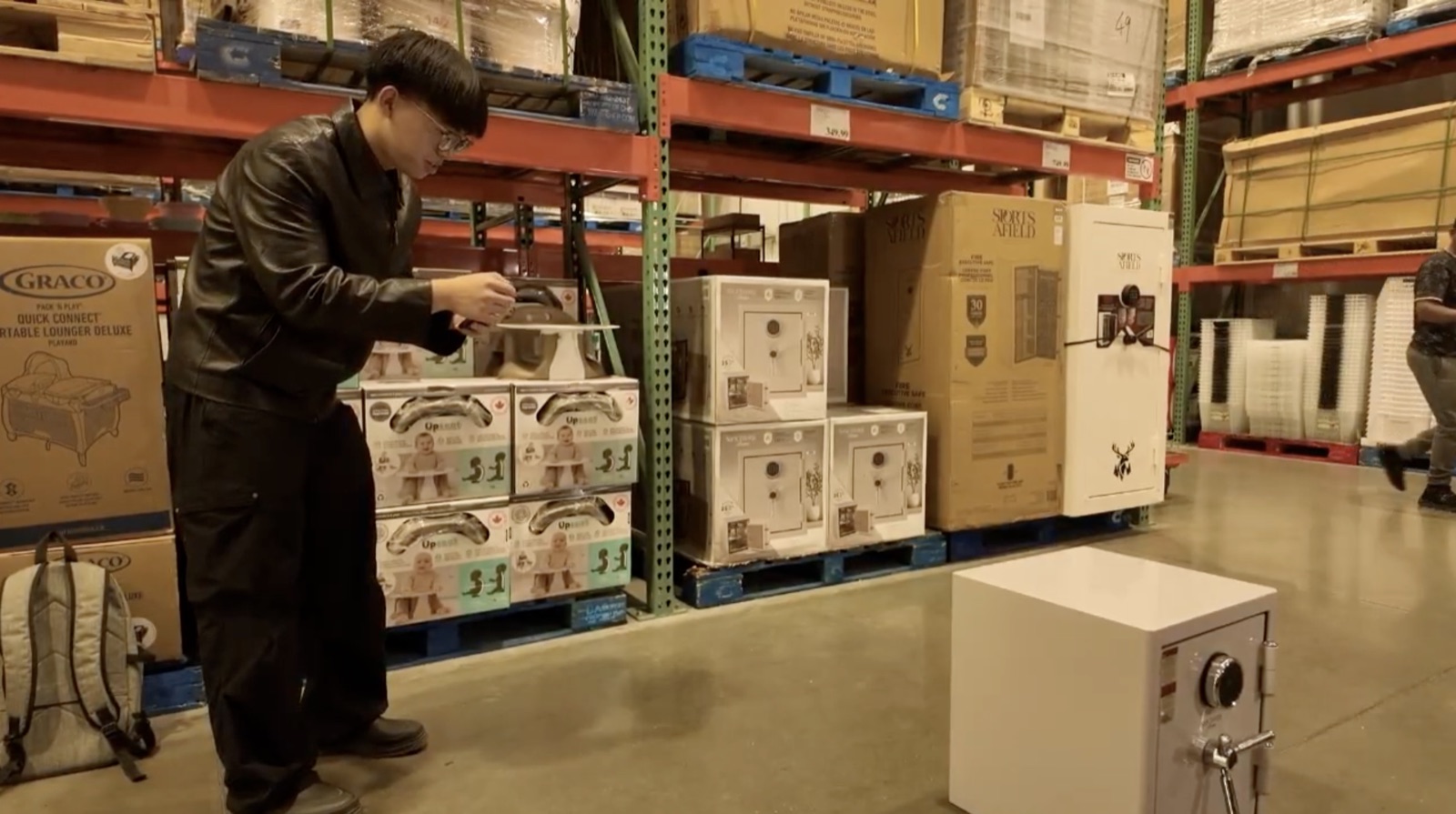
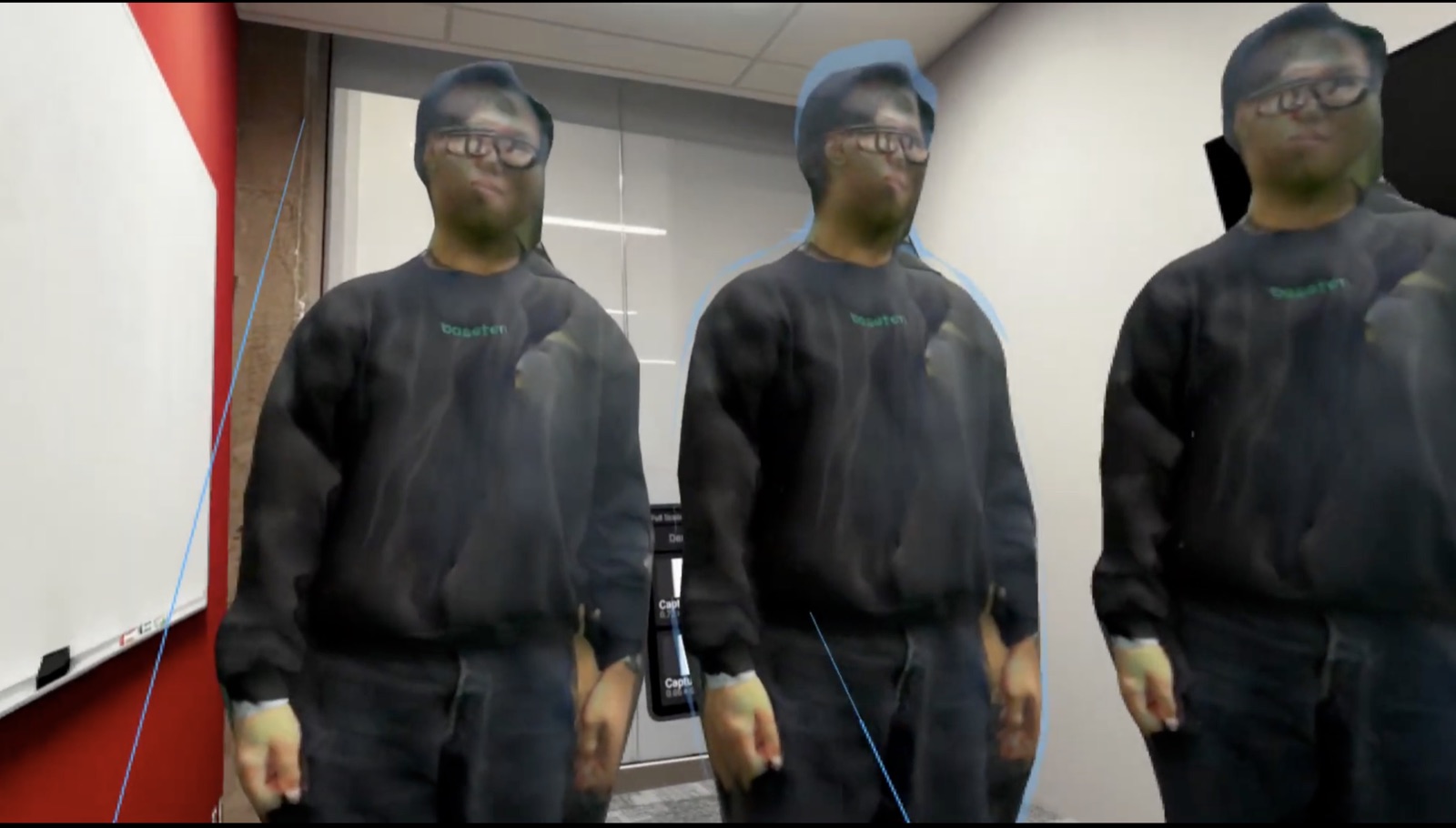
a scan is not done until it has a size. the scanned tab marks each object 3d ready only once its mesh and width, height, and depth are stored together, so the headset never has to guess.
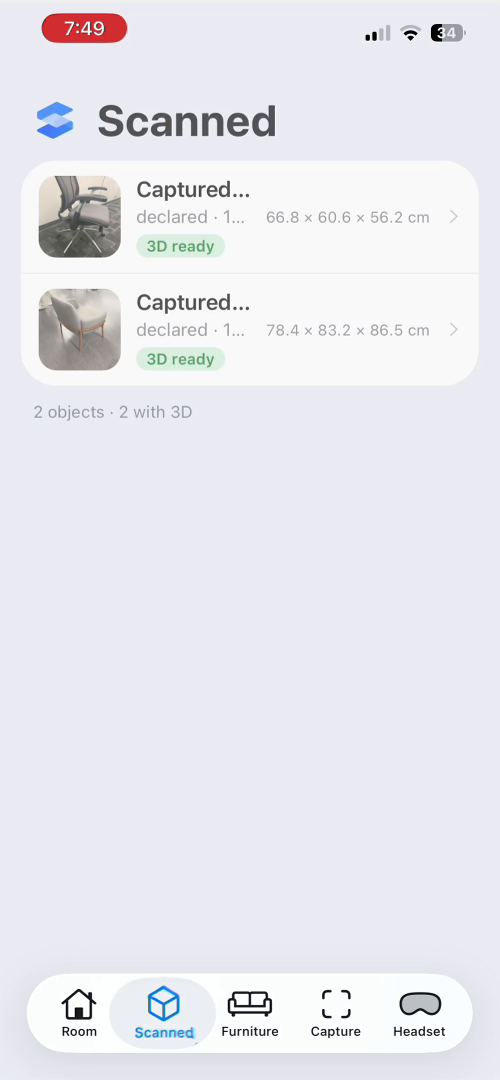
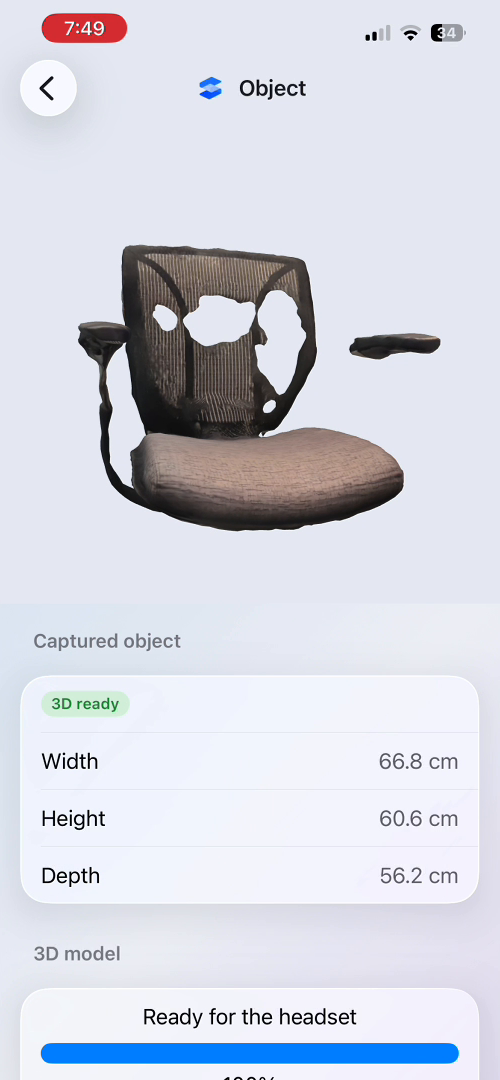
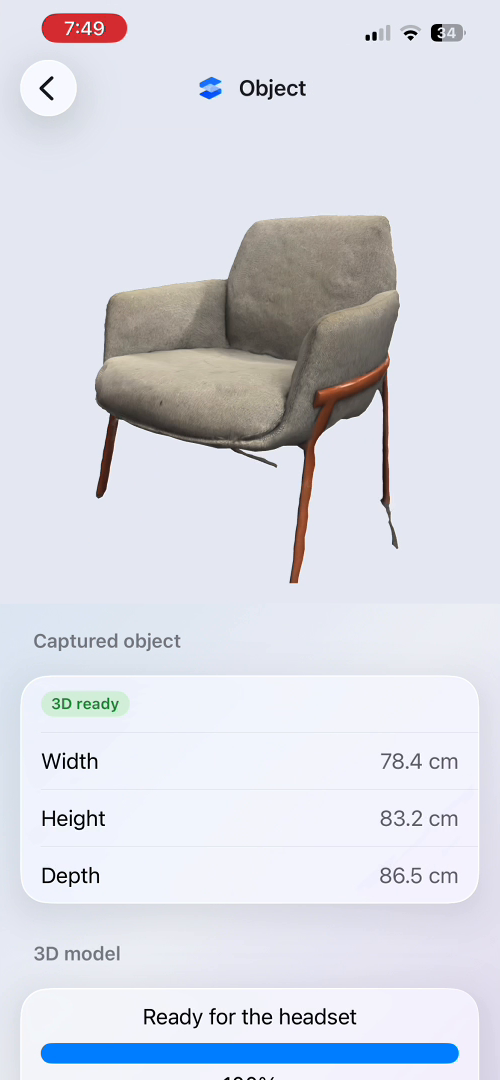
find something like this, that fits here
siglip2 puts text and product images in the same 768-dimensional embedding space. vector search finds visual matches; measured dimensions filter what can fit.
 shopify global catalog
 browserbase
the products are real. the shopify global catalog returns the merchant, the exact variant, price, availability, and a checkout link, so a match in the headset is a listing you can buy, not a stock render. the taro lift-top below is a poly & bark listing that made it into the demo catalog.
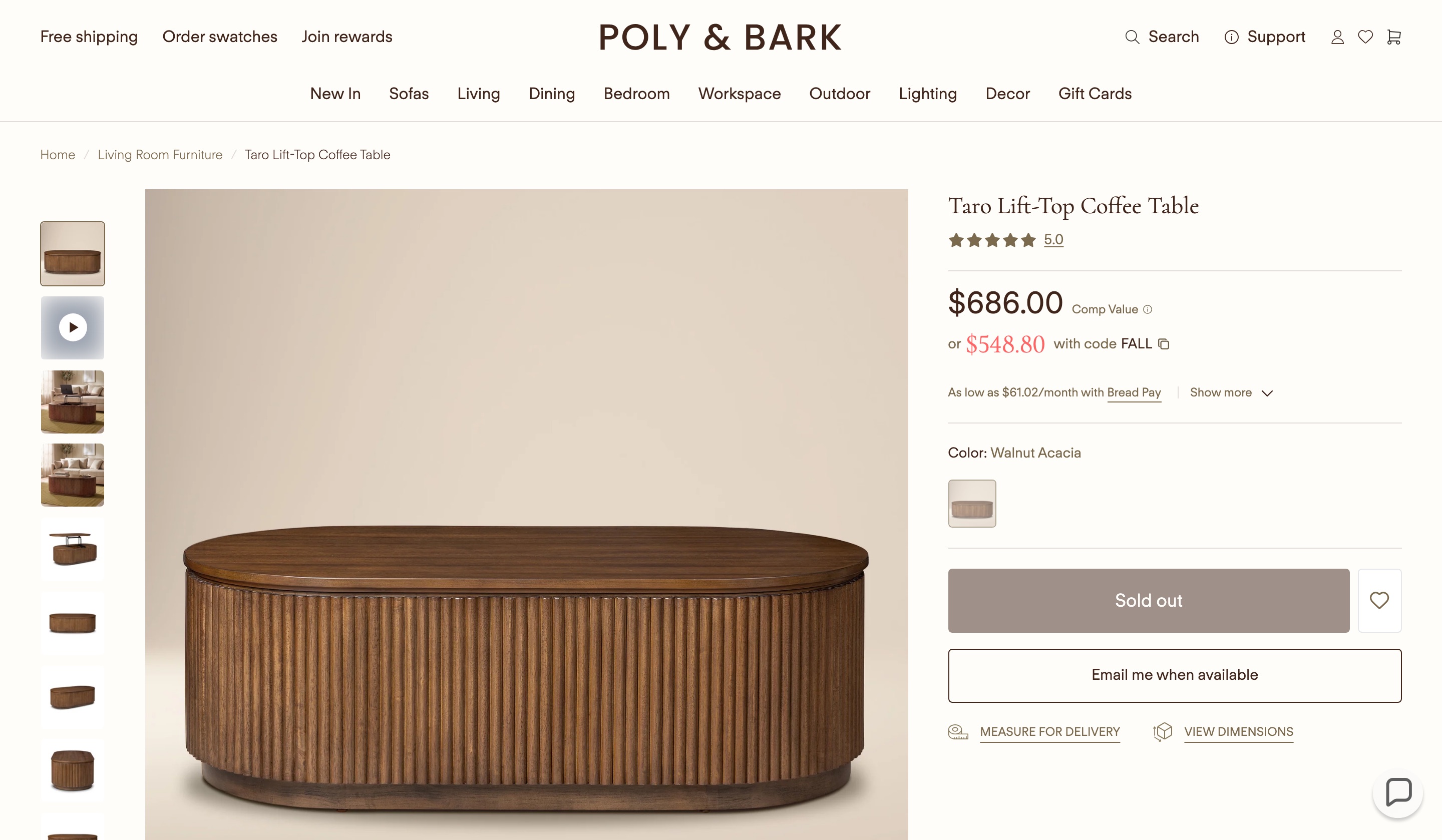
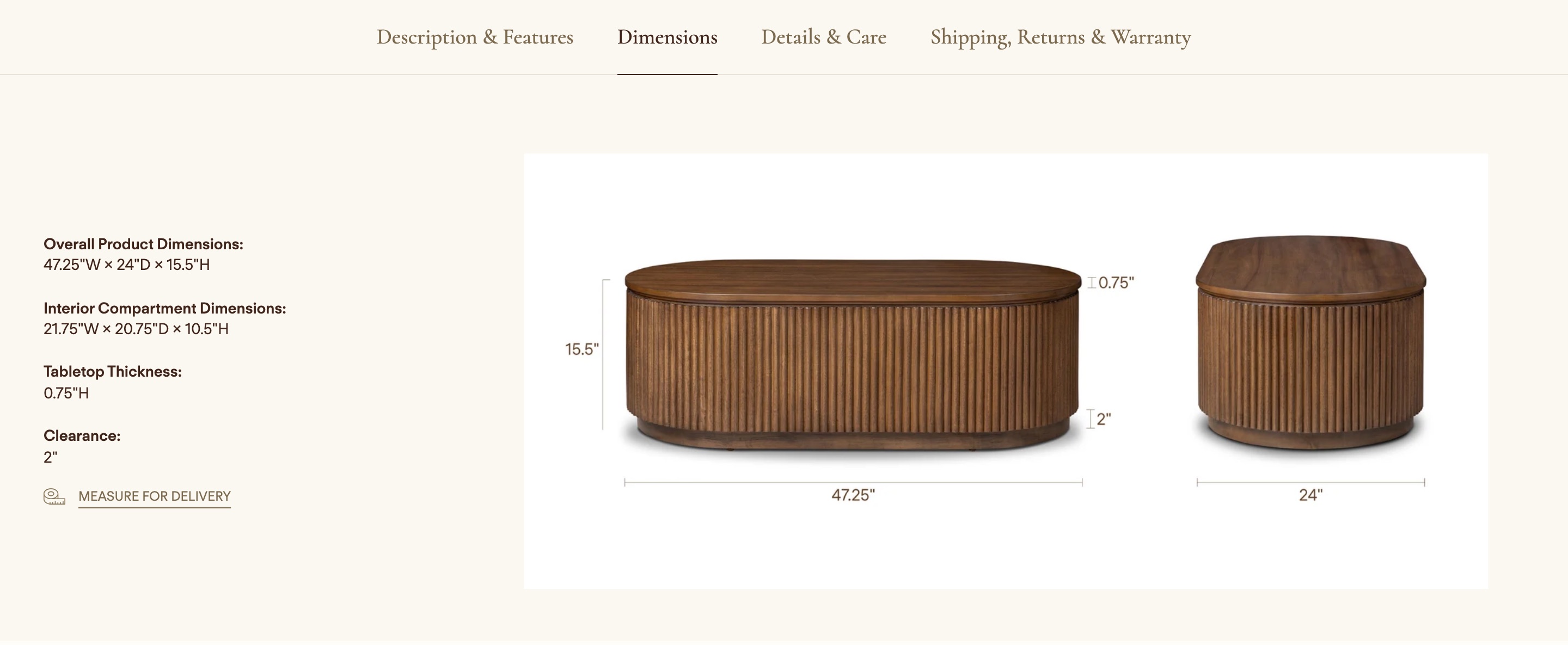
sizes are a different story. they are often buried in a tab, a diagram, or a spec table that no api exposes. ingestion checks structured data first, then hands the page to browserbase, which renders it in a real browser and lets the extraction step read what a shopper would read. on this page that is a dimensions tab: 47.25 × 24 × 15.5 inches, which becomes 120 × 61 × 39.4 cm with its source attached.
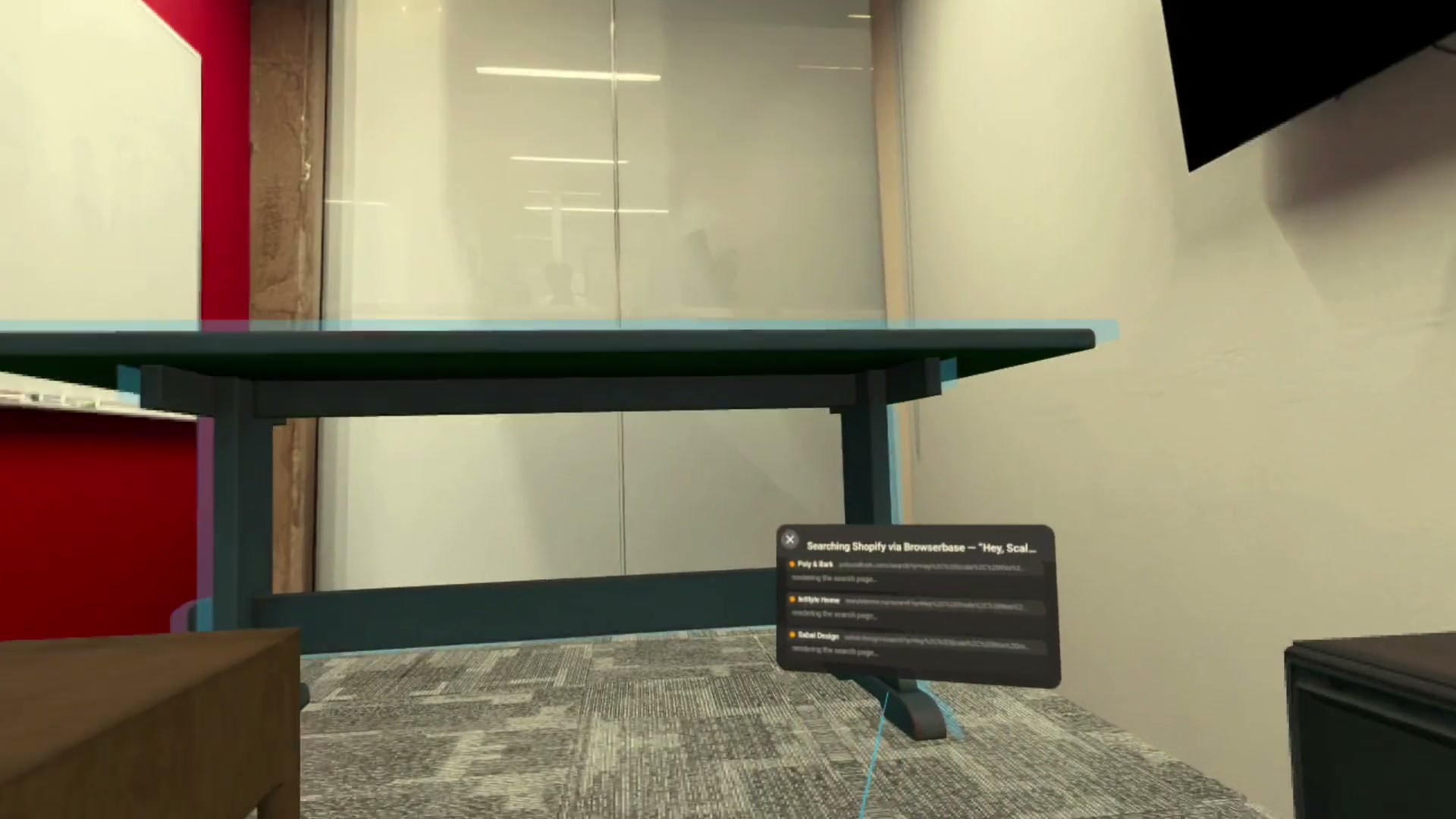
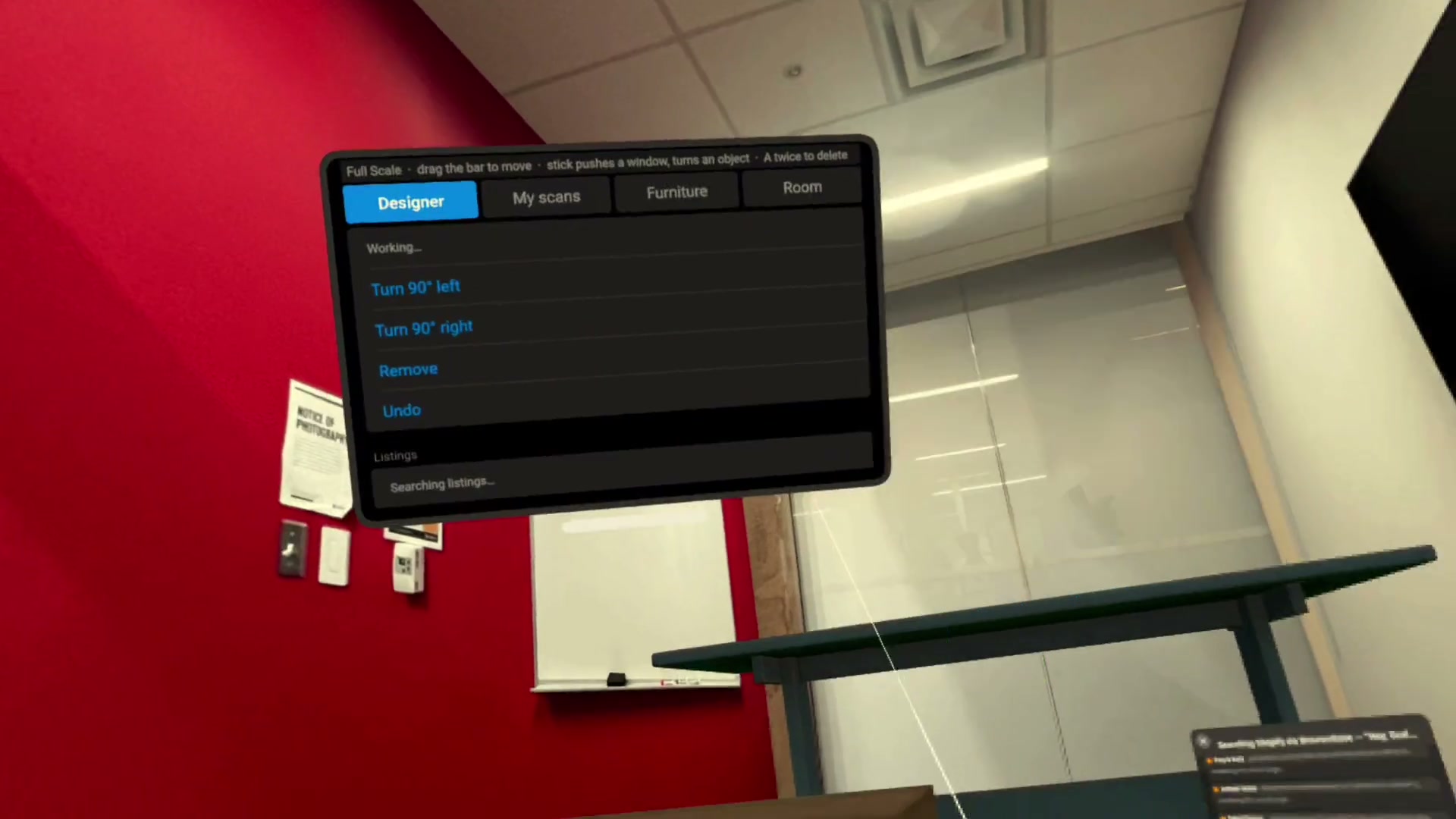
in the headset, that same pipeline runs from a spoken request. a small panel floats by the desk while browserbase renders each merchant page, then fills in with the listings that came back, each one marked fits or placed at true scale.
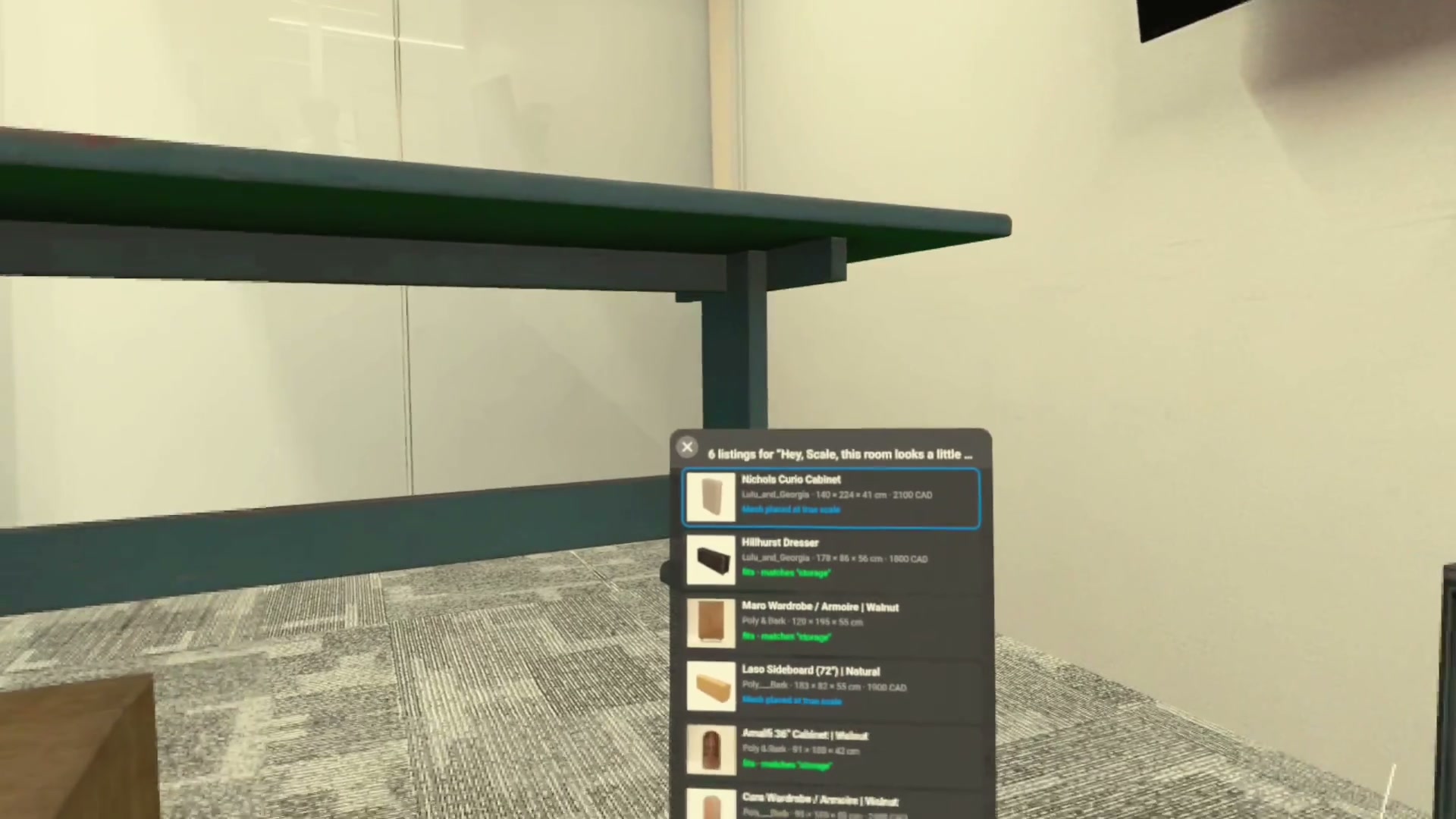
missing evidence stays marked size unverified. in one check, a side table missed a 50 cm gap by 0.8 cm; another variant fit with 4.3 cm to spare.
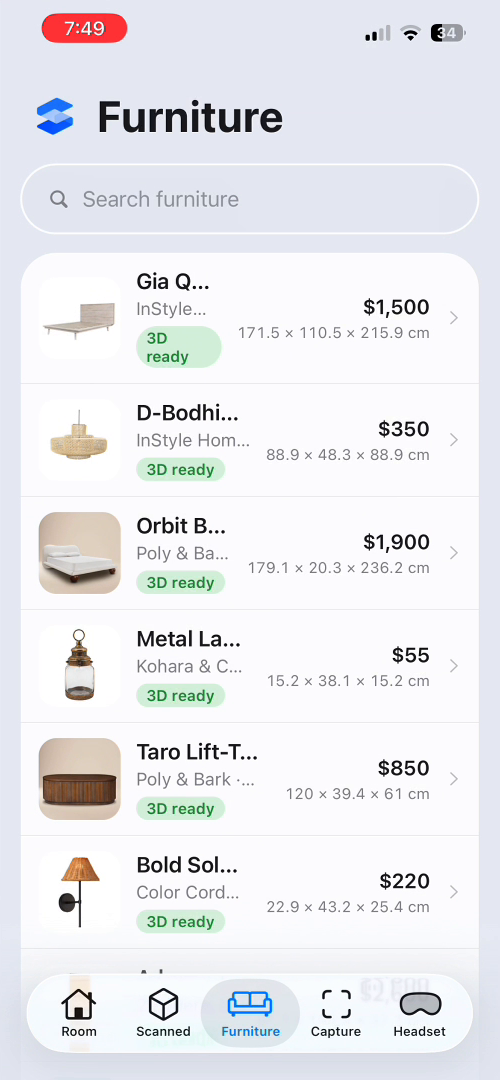
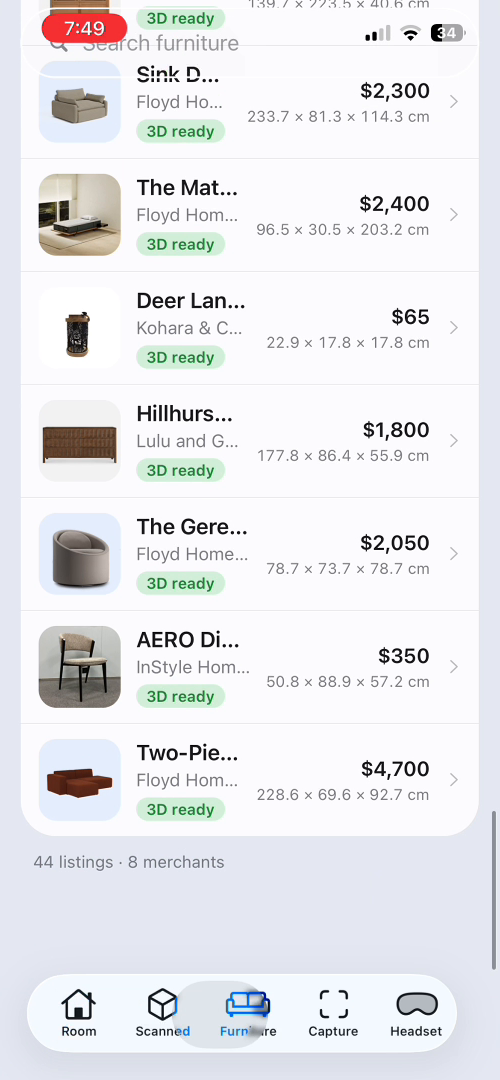
on the phone, the result is a plain catalog. every listing shows its merchant, price, and recovered dimensions beside a 3d ready badge, so you can tell at a glance which products already have a model waiting in the headset.
a good-looking mesh still needs a ruler
when a product has photos but no model, stable fast 3d on baseten generates one. its geometry has no trustworthy physical size, so the binding step applies the measured dimensions once and moves the origin to the bottom centre.
centre = (bounds[0] + bounds[1]) / 2
centre[1] = bounds[0, 1]
correction = np.eye(4)
correction[:3, :3] = np.diag(scale)
correction[:3, 3] = -centre * scale
transform = correction @ rotation
the binder preserves materials, exports the glb, reloads it, and checks the resulting bounds. the headset keeps its scale at one. a matching bounding box does not prove the generated shape is right, so distorted models can be flagged for review or shown as measured proxies.
make the room feel like a room
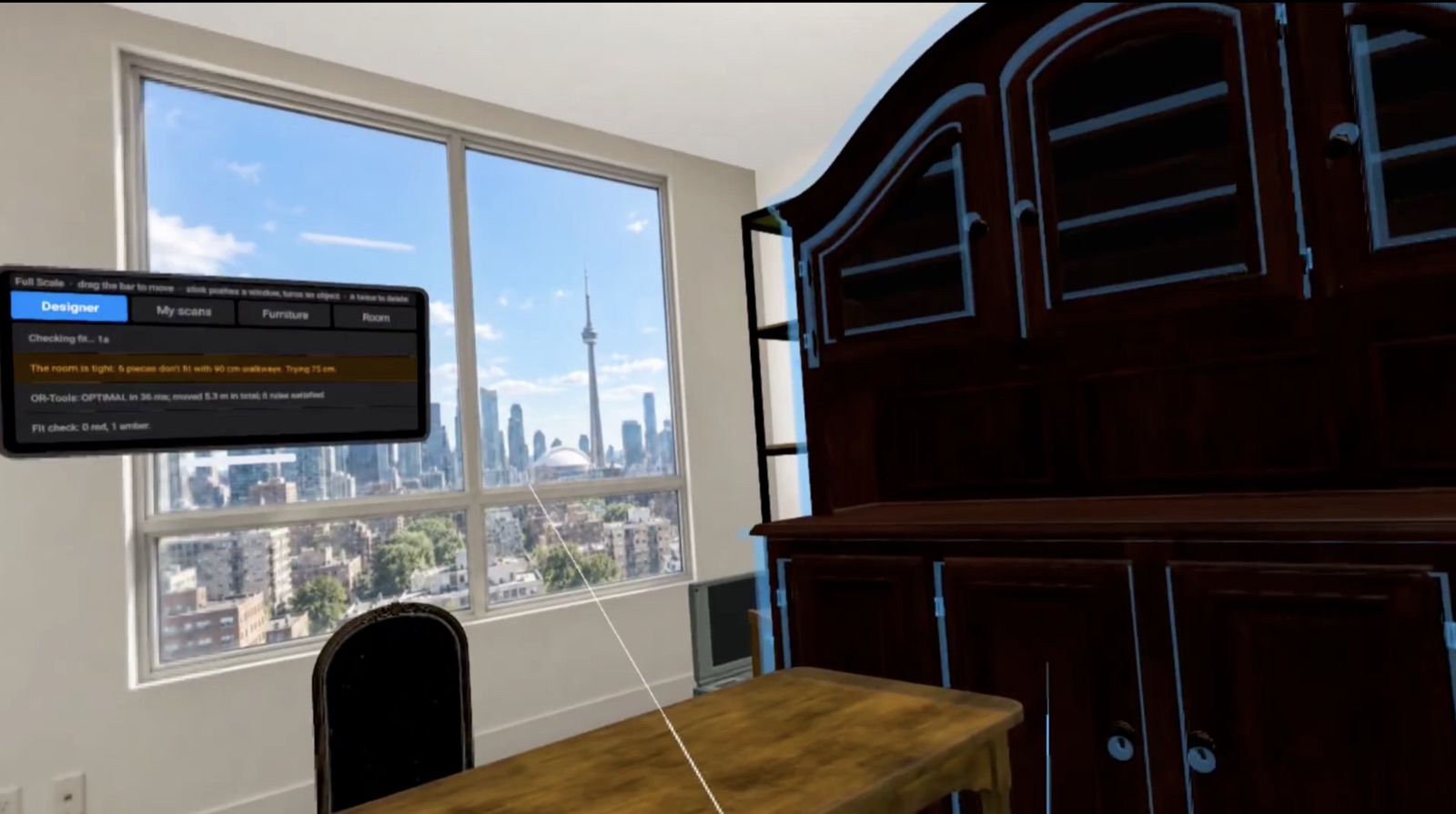
the quest app uses three.js and webxr for the scene, with rapier handling collisions. furniture drops onto the floor, stops at walls, and stays upright when dragged. you can grab, rotate, and lift objects, or pull another copy from the floating catalog.
room coordinates and scene coordinates differ by a recentering offset. keeping that conversion explicit prevents the solver from putting a desk somewhere different from where the headset draws it. elevenlabs handles push-to-talk and spoken replies.
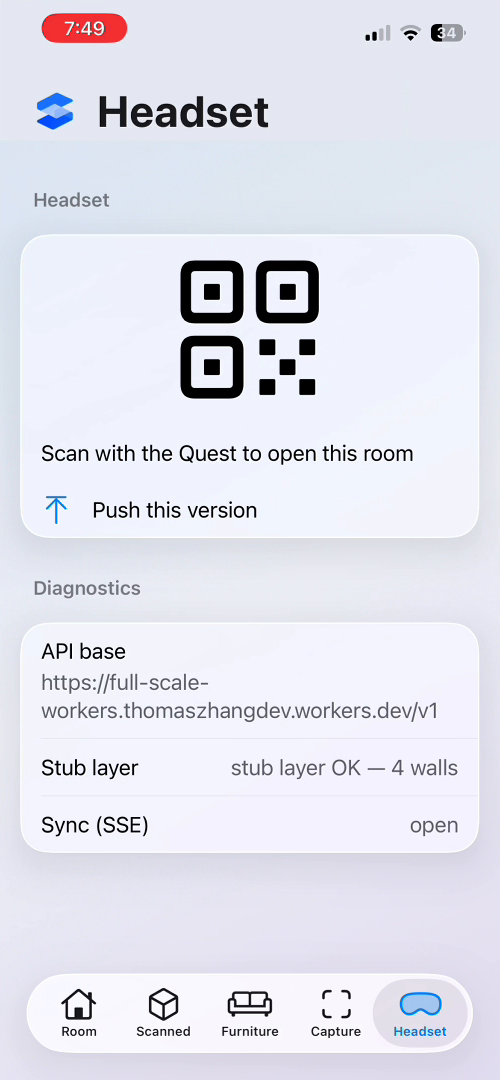
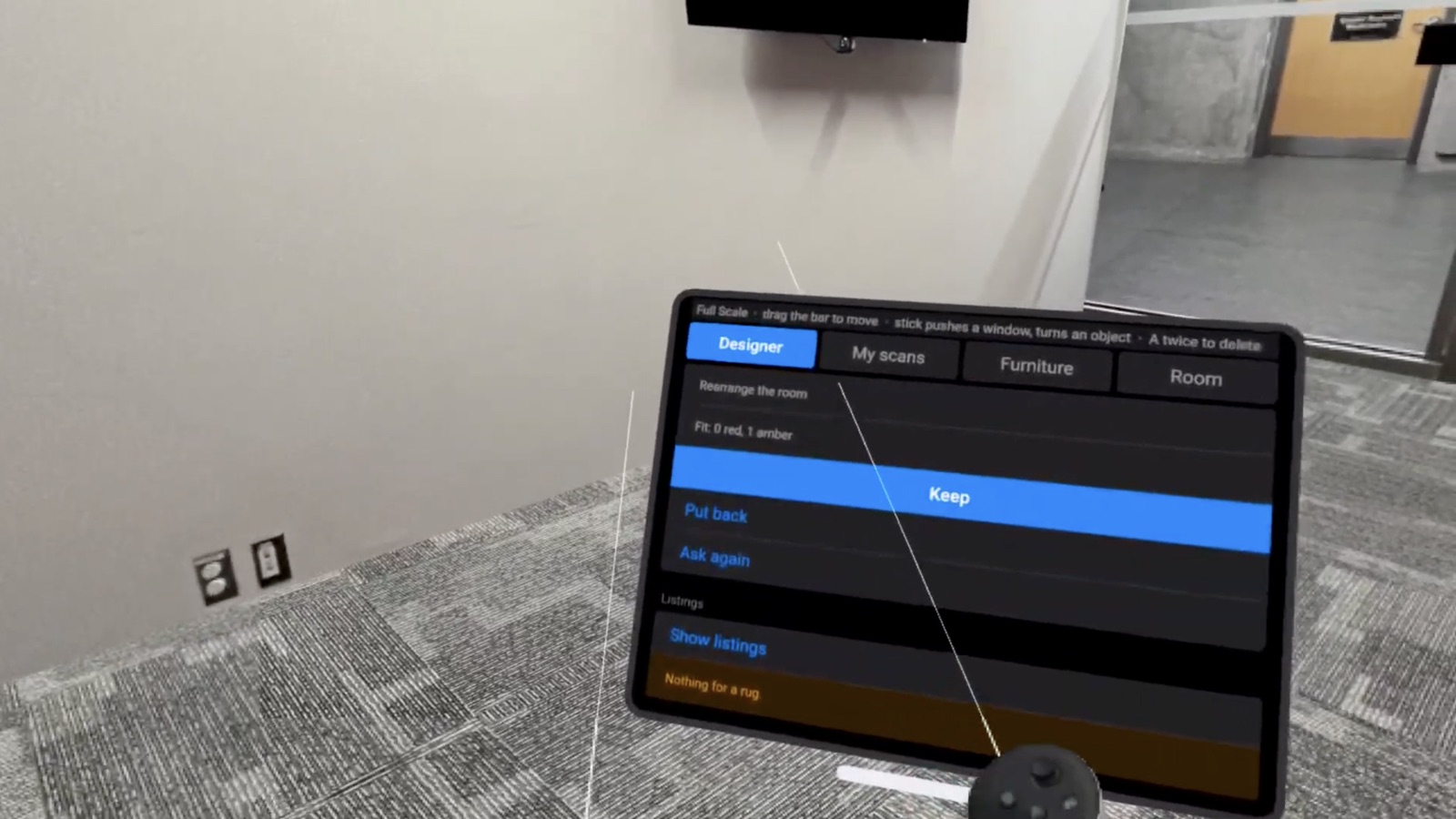
getting a room into the headset is one scan of a qr code. the phone pushes the current version, and the headset opens that room with the same walls, openings, and objects. a diagnostics panel underneath shows the live sse link, which is how designer proposals arrive without a refresh.
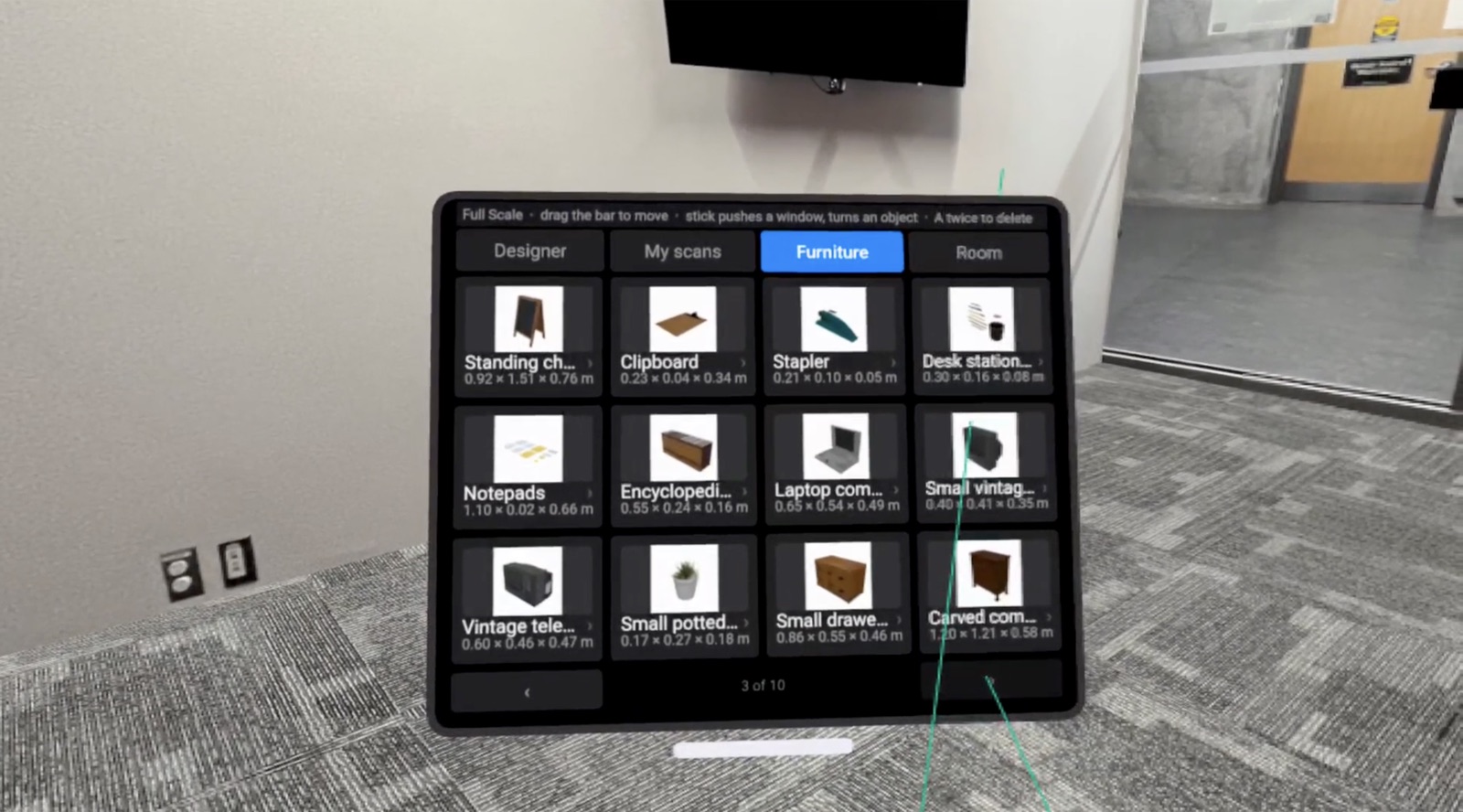
everything you can do lives on one floating panel with four tabs: designer, my scans, furniture, and room. drag the bar to move it, push a window with the stick, and press a twice to delete. the object you are holding gets quick actions like turn, remove, and undo.
ask for a change, then solve it
“turn this bedroom into a six-person workspace” becomes a plan with constraints. the language model interprets the request; or-tools cp-sat chooses positions and rotations on an integer centimetre grid. it never needs to load a 3d mesh.
# the footprint stays inside the room
m.Add(o.x - o.hw >= bounds["minX"])
m.Add(o.x + o.hw <= bounds["maxX"])
m.Add(o.z - o.hd >= bounds["minZ"])
m.Add(o.z + o.hd <= bounds["maxZ"])
separate constraints keep pieces apart and protect door zones. a fit validator checks the result, and the agent can repair it or explain a compromise. in the apartment demo, it narrowed requested walkways from 90 cm to 75 cm and showed that tradeoff in the log.
changes arrive as proposals. you can keep one, put the room back, or ask again. each room has its own durable object for requests, preferences, and version history; accepting an old proposal is rejected if the room has changed underneath it.
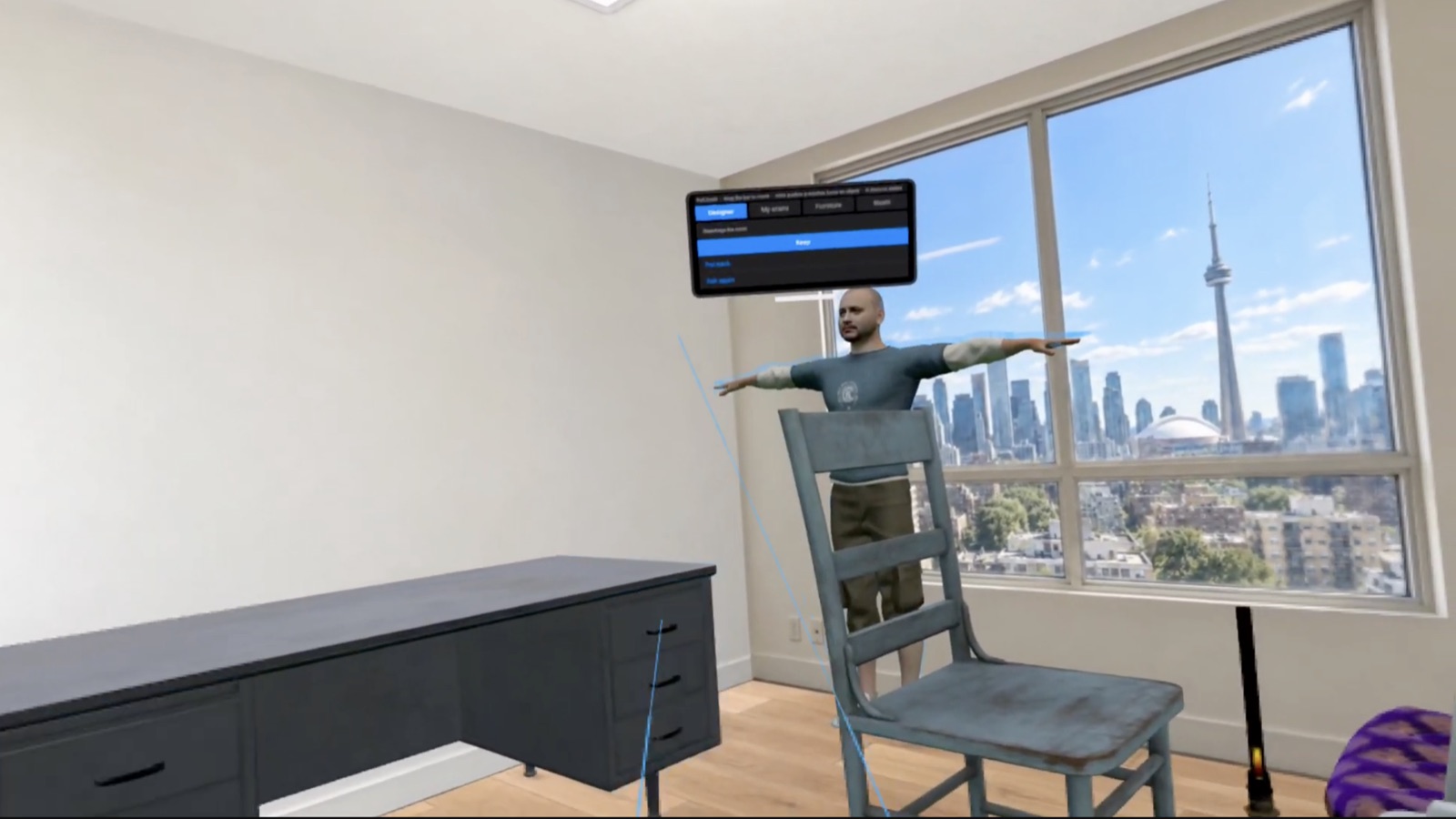
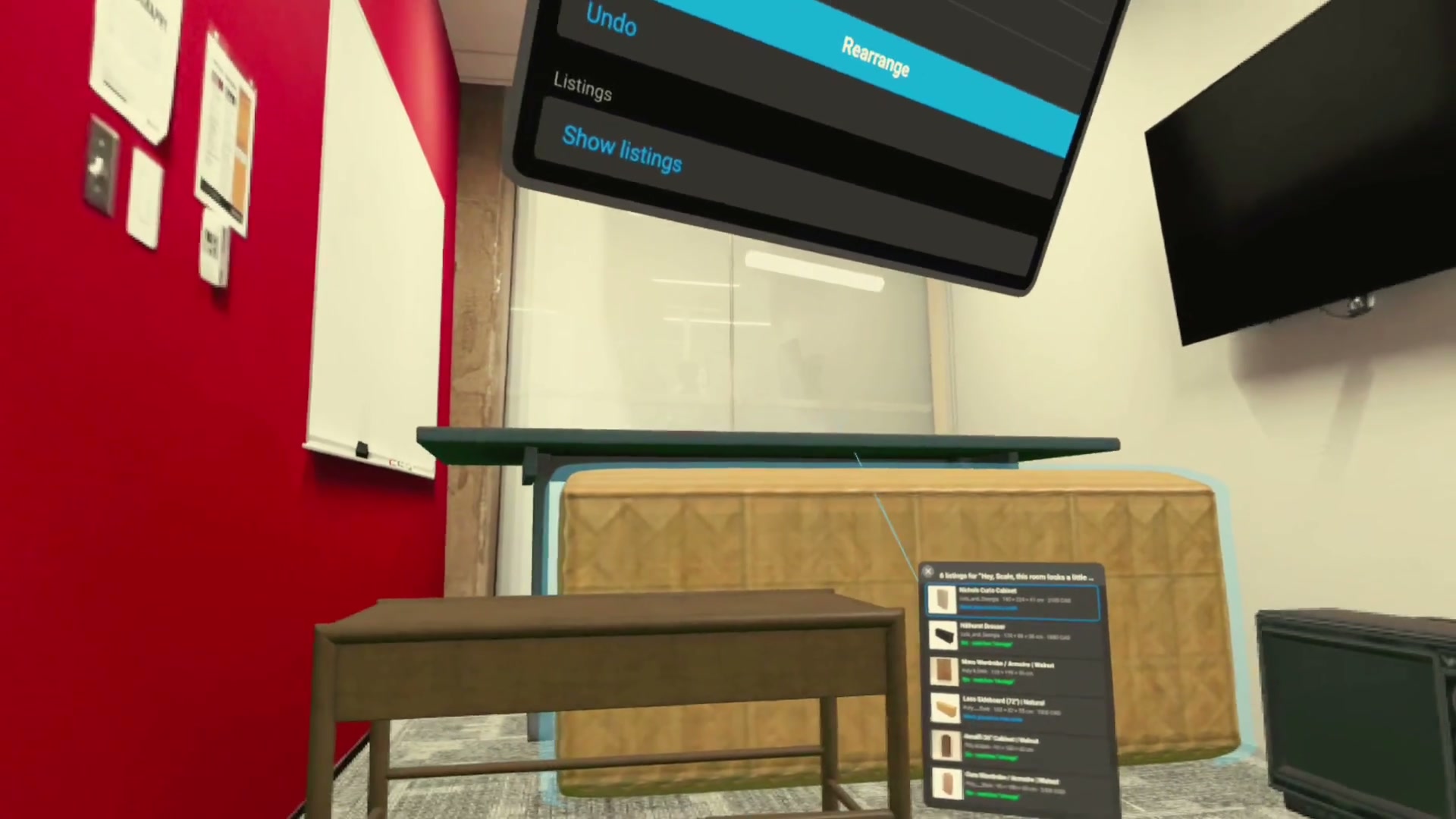
those versions show up back on the phone. a room that has been through a few proposals carries its history with it, and any of them can be pushed to the headset again.
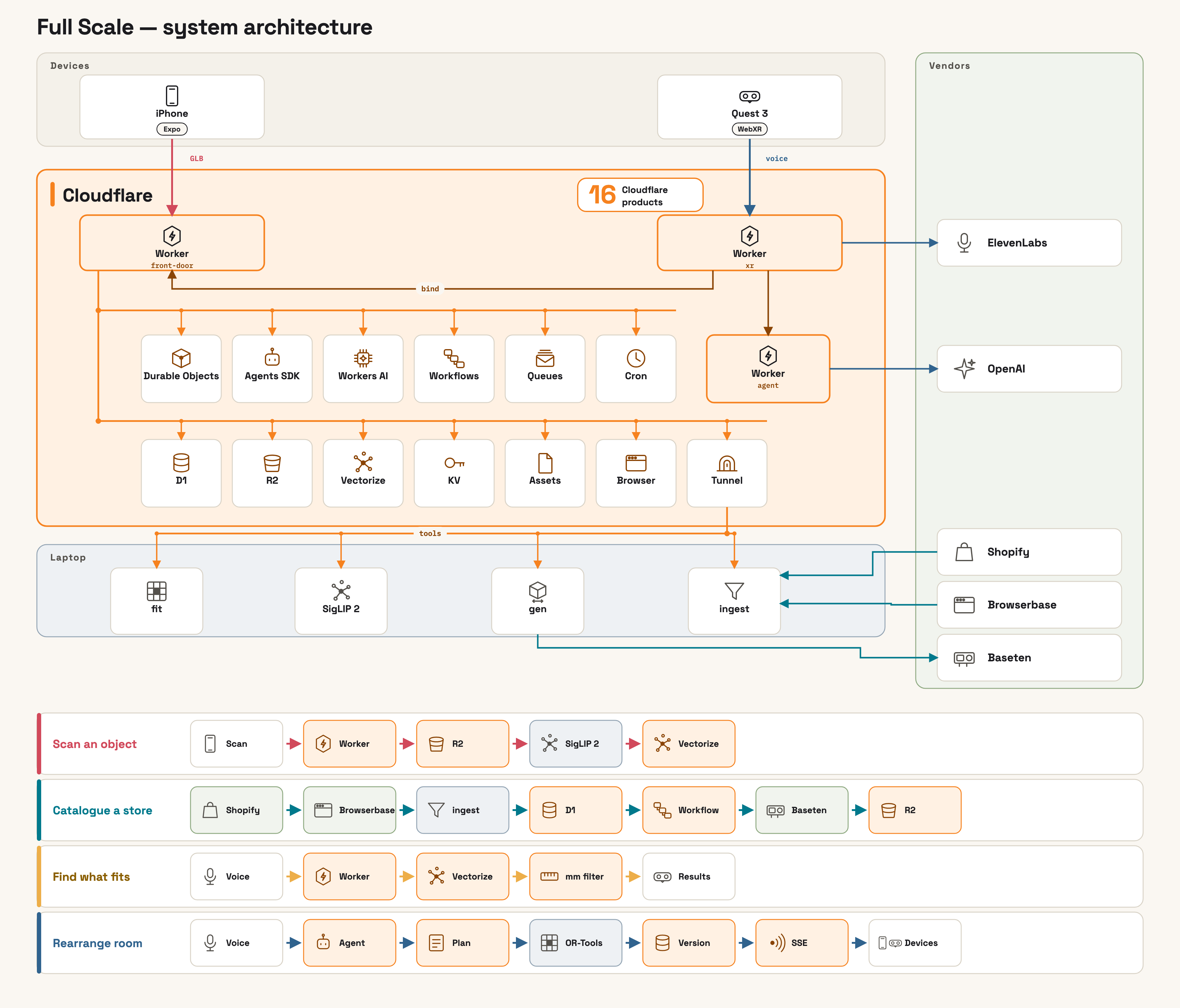
how the pieces talk
cloudflare connects the phone, headset, and compute services. shared contracts keep an object's id, dimensions, and model consistent across storage, search, and placement.
| piece | responsibility |
|---|---|
| captureexpo + swift | roomplan, lidar measurements, object capture, and on-device mesh export |
| room runtimewebxr + three.js + rapier | the room, furniture, physics, controllers, and floating panels |
| shared statecloudflare | workers route requests; d1 stores records, r2 stores assets, and vectorize indexes products |
| designerroom-scoped durable object | request history, planning, solver calls, proposals, and live events |
| computedocker + baseten | search, merchant ingestion, fit checks, and image-to-3d generation |
slow generation runs through an outbox, queue, dispatcher, and workflow. admission control limits concurrent gpu jobs; completed assets land in r2. the headset refreshes the scan library, while designer events stream over sse. heavy services ran in docker behind cloudflare tunnels during the hackathon.
what we actually measured
- 0.8 cm / 4.3 cm
- one table was too wide; another fit with clearance
- 1.19 s
- a warm image-to-3d request; the first took 28.71 s
- 36 ms
- an optimal layout for the five-piece apartment demo
- 262 products
- dimensions recovered from rendered merchant pages
- 100 products
- in the curated catalog, across five categories
- < 3 × 10⁻⁸ m
- exported mesh bounds versus supplied dimensions
these are individual measurements recorded in the project readme. warm generation timing excludes a cold start; mesh-bound error measures the export math, not the accuracy of a real-world scan.